
A website builder can add a third-party JavaScript snippet without changing any smart-contract code. This incident shows why that distinction matters: a script running in a visitor’s browser could replace a cryptocurrency address before the visitor pasted it into a transfer.
In reporting first published on Nov. 17, 2026, and updated with responses and analysis through Nov. 18, security researchers described a campaign affecting Optimizely scripts used by 178 organizations. The affected brands included Ledger, OANDA/Coinpass, TMS Brokers, Salesforce and the BBC. The reports concern website-delivered code, not a reported compromise of those organizations’ smart contracts.
What the injected script could do
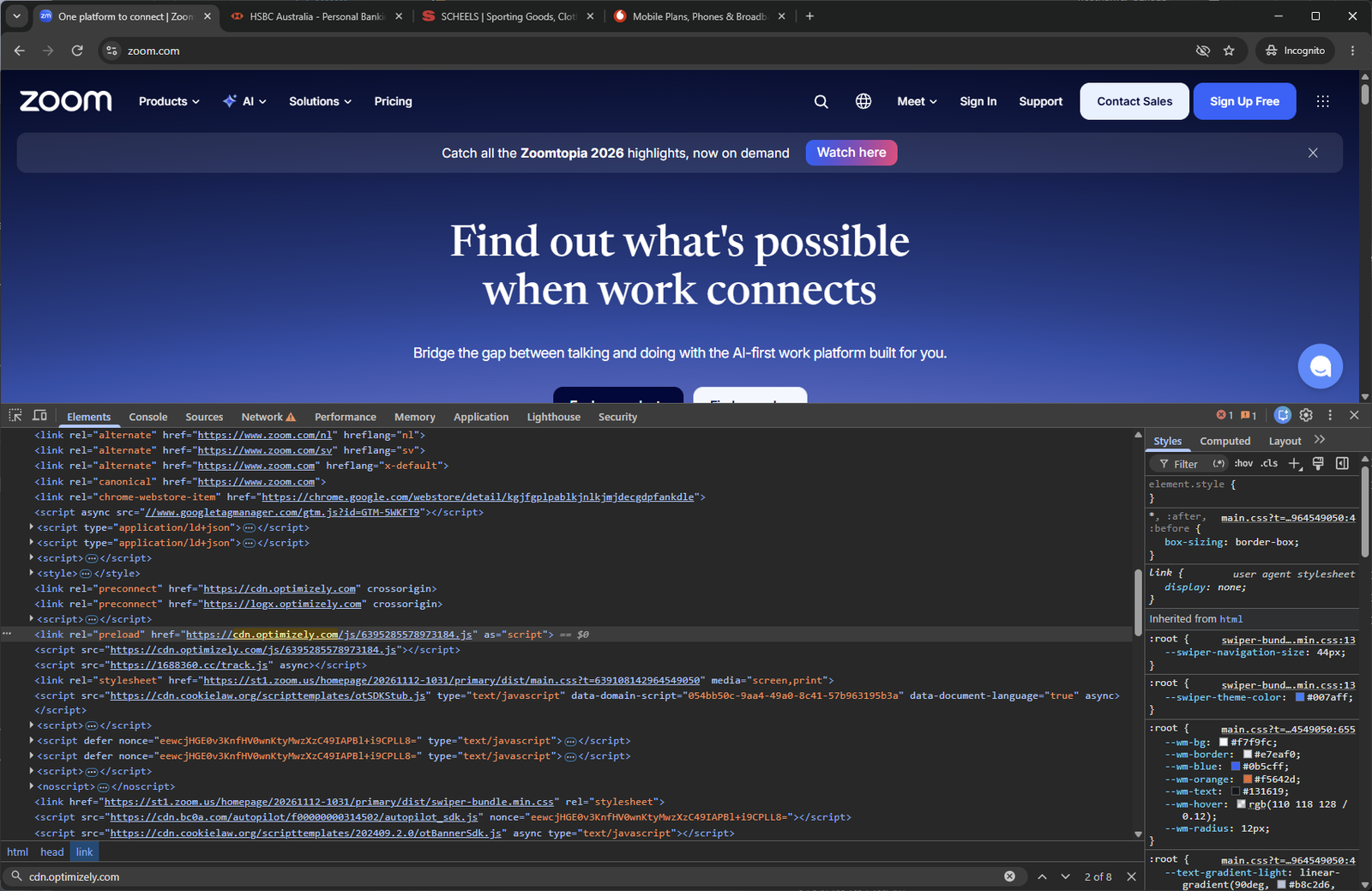
Optimizely lets customers run website experiments and custom code through JavaScript snippets. An Optimizely spokesperson said an unauthorized party exploited a vulnerability in its Experimentation account signup flow to add malicious JavaScript to some customer projects. Visitors opening affected pages could then load that code through otherwise legitimate scripts.
The malware could substitute an attacker-controlled wallet address for a legitimate one, including when a visitor copied an address. StepSecurity also found that it watched for card numbers, expiry dates and security codes entered into website forms and sent captured details to an attacker-controlled server. It could not read payment fields isolated in a third-party provider’s cross-origin frame, StepSecurity said. Report URI CEO Scott Helme said the script also loaded code linked to the Coruna and DarkSword iOS exploit kits for iPhone and iPad visitors.
According to Helme, the BBC was among the first sites observed serving the injection at 4:21 am UTC on Monday, Nov. 16. By 9:52 pm UTC, only one of 188 infected snippets still contained malicious code; Ledger’s snippet had been cleaned at about 8:41 pm UTC. Optimizely said it blocked the vulnerable path, removed injected code, revoked access and took other containment steps. It said its investigation was continuing and affected customers had been notified. Researchers had not established how the attackers obtained access to modify the projects.

What remains unconfirmed
Wallet activity is not the same as confirmed theft from visitors. Cointelegraph reported about $7,100 received by addresses linked to the malware on Monday; StepSecurity put funds received or held across the wallets at roughly $6,600 and noted that some activity predated the attack. Galaxy Digital’s Alex Thorn estimated victims had sent only about $2,300 in total, saying most Bitcoin receipts appeared to be the attacker’s own funds routed back through an exchange. Helme said researchers had no evidence that payment cards were actually captured.
An OANDA spokesperson, responding for Coinpass and TMS Brokers, said its internal systems and infrastructure were not breached and it had seen no indication of an impact on client funds or account data. Salesforce said it was investigating unauthorized changes to Optimizely scripts on certain Salesforce websites and, as a precaution, was confirming those scripts were disabled across preview and production instances.
For builders, the technical lesson is about the browser-side path to a transaction: even if contract code is unchanged, third-party website code can alter the address a user sees or copies before they send funds.